
In the world of healthy eating, calorie counting has long been seen as the go-to strategy for managing weight and improving nutrition. But constantly logging every bite can be tedious, time-consuming, and even stressful for some people. The good news? You don’t need to obsess over numbers to maintain a healthy lifestyle. By focusing on food quality, portion balance, and mindful eating, you can build a balanced plate that supports your health — naturally and effortlessly.
In this article, we’ll explore expert-approved tips for creating a healthy, nutrient-rich plate without ever reaching for a calorie tracking app.
1. Follow the Healthy Plate Method
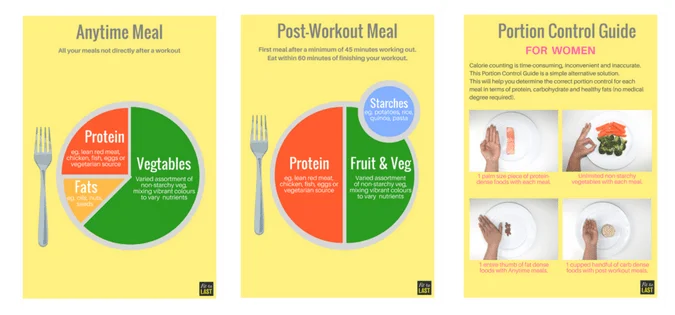
The Healthy Plate Method, recommended by nutrition experts, is an easy visual guide to balanced eating. Here’s how it works:
-
Half your plate: Fill with colorful, non-starchy vegetables such as spinach, broccoli, peppers, carrots, or zucchini. These are high in fiber, vitamins, and minerals but low in calories.
-
One-quarter of your plate: Lean protein such as chicken, turkey, fish, tofu, or legumes. Protein helps you feel full and supports muscle maintenance.
-
One-quarter of your plate: Whole grains or starchy vegetables such as quinoa, brown rice, sweet potatoes, or corn. These provide sustained energy and fiber.
This method ensures you’re getting the right macronutrient balance without the need for measuring or weighing food.
2. Focus on Food Quality Over Quantity
Instead of worrying about how many calories are in a meal, think about the nutrient density. High-quality whole foods nourish your body far better than processed, refined foods.
Choose:
-
Fresh vegetables and fruits
-
Whole grains like oats, bulgur, and brown rice
-
Healthy fats like avocado, olive oil, and nuts
-
Lean protein sources such as fish, eggs, and legumes
Avoid overly processed snacks, sugary drinks, and refined carbs — these may be calorie-dense but lack essential nutrients.
3. Use Your Hand as a Portion Guide
Your hands are a built-in, personalized measuring tool:
-
Protein: A serving the size of your palm
-
Carbs: A fist-sized portion
-
Vegetables: Two handfuls
-
Healthy fats: About the size of your thumb
This method adjusts naturally to your body size, meaning it works for both small and larger appetites without complicated tracking.
4. Practice Mindful Eating
Mindful eating is about paying attention to what and how you eat. Slow down, chew thoroughly, and savor your food. By eating more slowly, you give your brain time to register fullness, reducing the likelihood of overeating.
Pro Tip: Put down your fork between bites, avoid distractions like your phone, and focus on the taste and texture of your meal.
5. Include Healthy Fats in Moderation
Healthy fats are crucial for hormone regulation, brain health, and satiety. Incorporate sources such as olive oil, nuts, seeds, and fatty fish like salmon.
However, since fats are calorie-dense, stick to moderate amounts — about 1–2 tablespoons of oil or a small handful of nuts per meal.
6. Hydrate Before and During Meals
Sometimes our bodies mistake thirst for hunger. Drinking a glass of water before meals can help regulate appetite and improve digestion. Herbal teas and infused water are also great for staying hydrated without added sugars.
7. Color Your Plate
A colorful plate isn’t just beautiful — it’s a sign you’re getting a wide variety of nutrients. Each color in fruits and vegetables represents different phytonutrients and antioxidants that help fight disease and improve overall health.
Example:
-
Red: Tomatoes, strawberries (lycopene, vitamin C)
-
Orange: Carrots, sweet potatoes (beta-carotene)
-
Green: Spinach, broccoli (chlorophyll, folate)
8. Listen to Your Hunger Cues
One of the simplest ways to avoid overeating is to eat when you’re truly hungry and stop when you’re comfortably satisfied — not stuffed. This intuitive eating approach can help you maintain a healthy weight without rigid food rules.
Final Thoughts
Building a balanced plate without counting calories is about developing sustainable habits that work for your lifestyle. By focusing on food quality, portion balance, and mindful eating, you can nourish your body and maintain a healthy weight naturally.
Remember, the goal isn’t perfection but consistency. Over time, these small, mindful choices will make a big difference in your health and energy levels.