
If you’re tired of yo-yo dieting and looking for real, lasting results, you’re not alone. Quick fixes may give fast results, but they rarely stick. The key to long-term success? A smart, sustainable approach grounded in science—not fads. We spoke with registered dietitians and compiled their top tips for weight loss that lasts.
Here are 10 dietitian-approved strategies to help you reach your goals and stay there.
1. Don’t Skip Meals
Skipping meals may seem like a shortcut to weight loss, but it often backfires. It can lead to intense hunger later in the day, which increases the likelihood of overeating. Instead, aim for balanced meals spaced throughout the day to keep energy and metabolism steady.
2. Focus on Whole, Minimally Processed Foods
Whole foods—like fruits, vegetables, lean proteins, whole grains, and healthy fats—are naturally nutrient-dense and more filling. Dietitians recommend shopping the perimeter of the grocery store where these fresh foods are often located.
3. Prioritize Protein at Every Meal
Protein helps preserve muscle mass, supports metabolism, and keeps you full longer. Include high-quality protein sources such as eggs, chicken, fish, tofu, beans, or Greek yogurt at each meal and snack.
4. Drink More Water
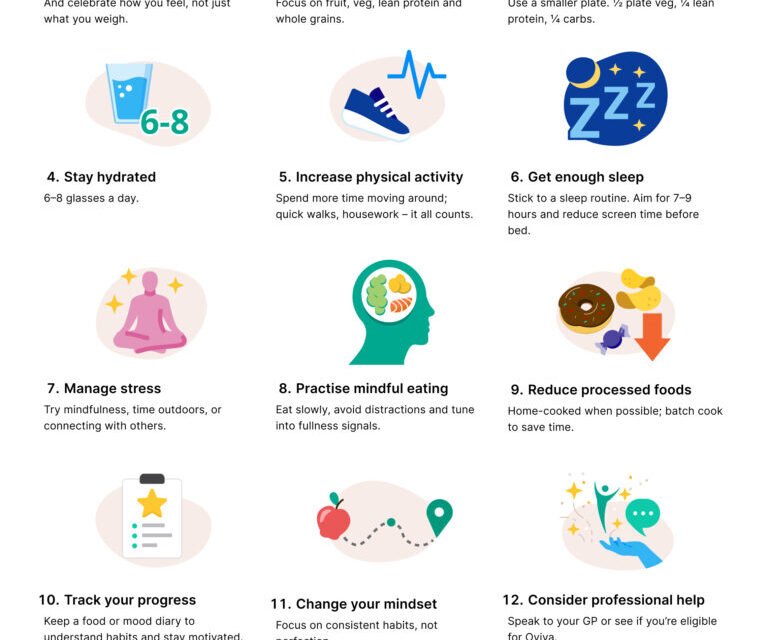
Staying hydrated supports metabolism, digestion, and energy. Sometimes we mistake thirst for hunger. Aim for at least 8 cups (2 liters) of water per day—and more if you’re active or live in a hot climate.
5. Practice Portion Control
Even healthy foods can lead to weight gain if portions are too large. Use smaller plates, check serving sizes, and eat slowly to give your body time to recognize fullness. Dietitians often recommend the “plate method”: ½ veggies, ¼ protein, ¼ carbs.
6. Limit Liquid Calories
Sodas, fancy coffee drinks, and even fruit juices can contain hundreds of hidden calories. Dietitians suggest cutting back on sweetened drinks and choosing water, unsweetened tea, or black coffee instead.
7. Plan Ahead
Meal planning is one of the most effective tools for weight loss. It reduces the likelihood of grabbing convenience foods when you’re busy or stressed. Prep a few meals or snacks in advance to stay on track throughout the week.
8. Get Enough Sleep
Lack of sleep disrupts hunger hormones and increases cravings, especially for sugar and carbs. Aim for 7–9 hours of quality sleep per night to support your weight loss goals.
9. Be Mindful When Eating
Slow down, chew thoroughly, and avoid distractions like phones or TV during meals. Mindful eating helps you enjoy food more and recognize when you’re full, which can prevent overeating.
10. Be Consistent, Not Perfect
Weight loss doesn’t require perfection. Dietitians emphasize consistency over extremes. It’s what you do most of the time that matters—not the occasional indulgence.
Final Thoughts
Sustainable weight loss is about creating habits you can live with—not suffer through. These expert-backed tips focus on real food, balance, and consistency, setting you up for results that don’t just last a few weeks, but a lifetime.