
When it comes to eating well, it’s easy to get lost in the sea of conflicting advice. From fad diets to quick fixes, the internet is filled with information that can leave you feeling confused and overwhelmed. The good news? You don’t need a complicated plan to eat healthier—you just need proven, practical strategies from qualified professionals.
We’ve gathered top nutrition tips from experts that you can start using right now to improve your diet, boost your energy, and support your overall well-being.
1. Fill Half Your Plate with Vegetables
Registered dietitians recommend that 50% of your plate should be filled with colorful vegetables at every meal. They’re rich in fiber, vitamins, minerals, and antioxidants that protect your body from disease. Aim for variety—think leafy greens, bell peppers, broccoli, carrots, and zucchini.
Pro tip: Try roasting vegetables with olive oil and herbs for a flavorful, nutrient-packed side dish.
2. Choose Whole Grains Over Refined Carbs
Nutrition experts emphasize the benefits of whole grains such as oats, quinoa, brown rice, and whole wheat bread. Unlike refined carbs, whole grains retain their fiber and nutrients, helping you feel fuller for longer and supporting healthy digestion.
Pro tip: If you’re switching from white rice or pasta, start by mixing them with whole-grain versions until your taste buds adjust.
3. Prioritize Lean Protein
Protein is essential for muscle repair, hormone production, and satiety. Experts suggest including lean sources of protein—such as chicken breast, fish, eggs, tofu, beans, or lentils—in every meal.
Pro tip: For a quick snack, keep boiled eggs, Greek yogurt, or hummus with veggie sticks on hand.
4. Limit Added Sugars
Excess sugar intake is linked to obesity, type 2 diabetes, and heart disease. The American Heart Association advises keeping added sugars to less than 25 grams per day for women and 36 grams for men.
Pro tip: Read labels carefully—sugar hides under names like high fructose corn syrup, maltose, and dextrose.
5. Stay Hydrated Throughout the Day
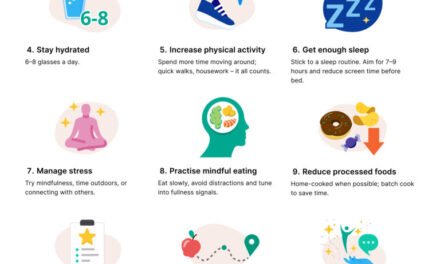
Even mild dehydration can affect your energy, focus, and mood. Experts recommend at least 8–10 cups of water daily, depending on your activity level and climate.
Pro tip: Keep a reusable water bottle with you as a reminder to sip throughout the day.
6. Practice Mindful Eating
Mindful eating means paying attention to your body’s hunger and fullness signals, eating slowly, and truly enjoying your food. This approach can prevent overeating and improve digestion.
Pro tip: Put your fork down between bites and avoid eating in front of screens.
7. Incorporate Healthy Fats
Not all fats are bad—healthy fats like those found in avocados, nuts, seeds, and olive oil support brain health and hormone balance. Professionals recommend replacing trans fats and processed oils with natural, nutrient-rich options.
Pro tip: Sprinkle chia or flax seeds on your breakfast or add avocado to your salads.
8. Plan and Prep Your Meals
Meal planning saves time, money, and stress. Professionals advise setting aside one day a week to prepare healthy meals in advance. This ensures you always have nutritious options ready when life gets busy.
Pro tip: Store pre-cut vegetables and cooked grains in clear containers for easy grab-and-go meals.
9. Watch Portion Sizes
Even healthy foods can contribute to weight gain if you overeat them. Experts suggest using smaller plates, bowls, and cups to help control portions naturally.
Pro tip: When dining out, consider splitting your meal or asking for a to-go box to save half for later.
10. Be Consistent, Not Perfect
The best diet is one you can sustain. Experts agree that occasional indulgences are part of a balanced lifestyle—what matters most is making healthy choices most of the time.
Pro tip: Follow the 80/20 rule—eat nutrient-dense foods 80% of the time and enjoy your favorite treats the other 20%.
Final Thoughts
You don’t need to follow a restrictive diet to see results. By applying these nutrition tips from professionals, you can improve your energy, support your health, and enjoy food without guilt. Remember—start small, stay consistent, and focus on long-term changes rather than quick fixes.