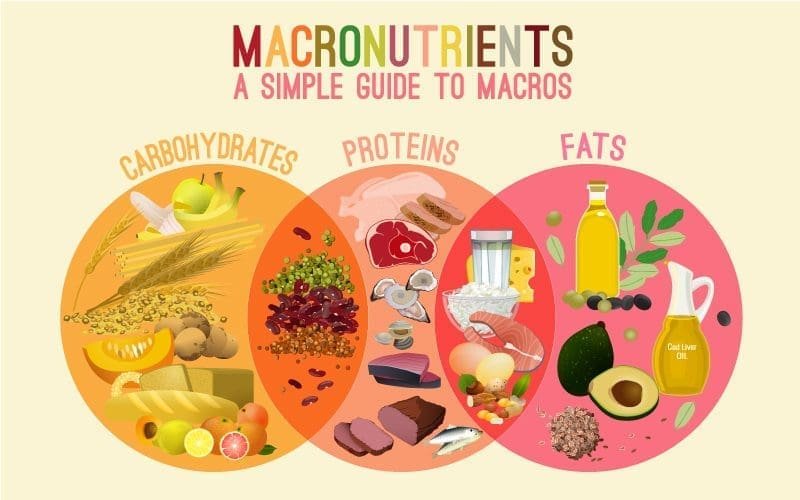

When it comes to weight loss, few topics spark more confusion than macronutrients—carbohydrates, fats, and protein. Diet trends come and go, often demonizing one macronutrient or another. But ask any registered dietitian, and they’ll tell you the truth: all three are essential, and balance is key.
Here’s what nutrition experts want you to know about carbs, fats, and protein—and how to use them wisely for healthy, sustainable weight loss.
1. Carbohydrates: Not the Enemy
Carbs often get a bad rap, but they’re your body’s primary source of energy. The issue isn’t carbs themselves—it’s the type and amount.
Refined carbs like white bread, sugary cereals, and pastries are quickly digested, leading to spikes in blood sugar and hunger soon after. On the other hand, complex carbs—such as oats, sweet potatoes, brown rice, and legumes—are rich in fiber, which helps regulate appetite and digestion.
Expert Tip: Aim for whole, fiber-rich carbs and pair them with protein or fat to slow digestion and stay full longer.
2. Fats: Essential for Health
Fat isn’t just necessary—it’s vital for hormone production, brain function, and absorbing fat-soluble vitamins (A, D, E, K). The key is choosing healthy fats and being mindful of portion sizes.
Unsaturated fats, found in olive oil, nuts, seeds, and avocado, support heart health and may even aid in weight control. In contrast, trans fats (often found in processed foods) and excess saturated fats (from fried or fatty meats) can contribute to inflammation and disease.
Expert Tip: Don’t fear fat—just be selective. Include small amounts of healthy fat in every meal for better satisfaction and fewer cravings.
3. Protein: The Metabolism Booster
Protein is the most talked-about macronutrient for good reason. It plays a key role in muscle maintenance, fat loss, and appetite control. It takes more energy to digest than carbs or fat and helps you feel full for longer periods.
Quality sources include lean meats, fish, eggs, dairy, tofu, legumes, and plant-based protein powders.
Expert Tip: Include 20–30 grams of protein per meal and a smaller amount with snacks. This supports muscle repair and keeps you feeling satisfied.
4. The Right Balance Matters Most
Rather than cutting out an entire macronutrient, focus on balance and moderation. Experts recommend:
-
40–50% carbs from whole food sources
-
25–30% fats from healthy oils and plant-based sources
-
20–30% protein, adjusted to activity level and body composition goals
This flexible approach supports energy, fat loss, and long-term sustainability.
Final Thoughts
Carbs, fats, and protein all play important roles in your body. Instead of fearing or eliminating them, learn how to use them to your advantage. By choosing high-quality sources and maintaining a balanced intake, you can fuel your body, support your goals, and feel your best—without restriction or confusion.